

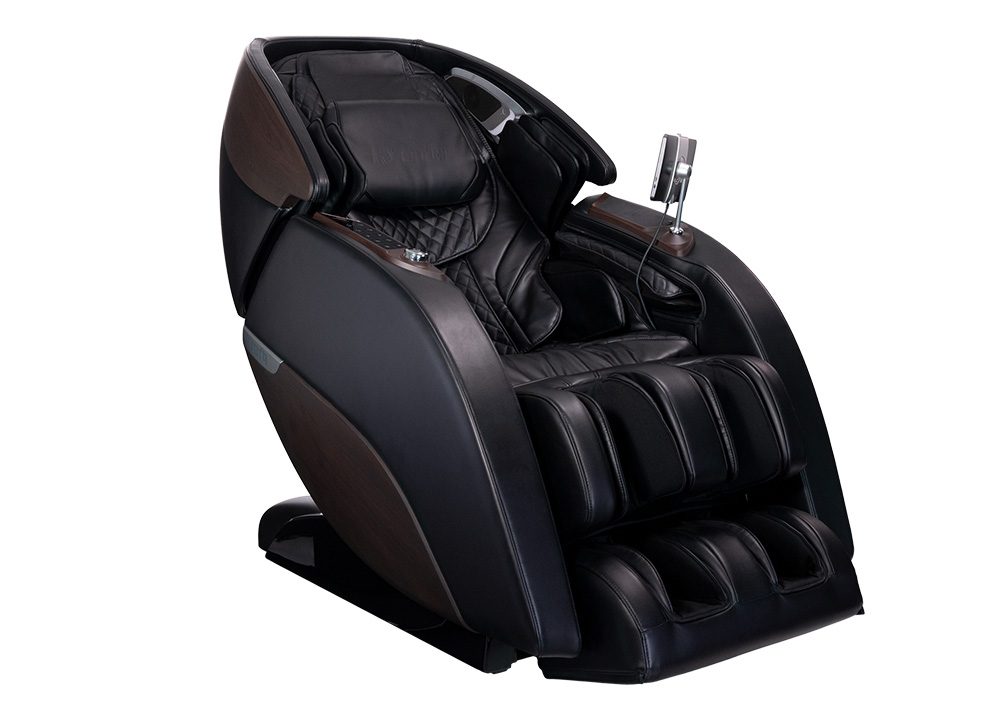
Massage Your Way to Lower Scores: Golf Recovery with Massage Chairs
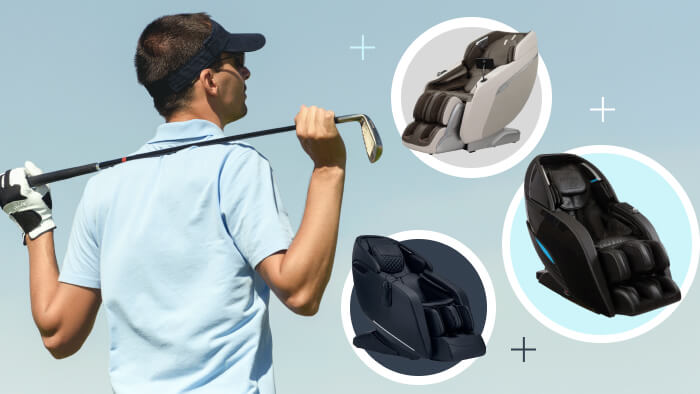
If you play golf, then you know it’s one of the best ways to be active and enjoy a beautiful day on the greens. Because it’s low impact, it’s also one of the few sports you can enjoy well into your golden years. However, low impact doesn’t mean no impact, and a few rounds of golf can stress certain muscles and joints in the body.
If you’re experiencing frequent aches and pains after a game of golf, the good news is that massage can help you manage minor injuries before they become serious. Keep reading to learn everything you need to know about massage for golfers, including tips and recommendations on how to speed up your recovery.
Common Golf Injuries and Discomforts
Most of the time, pain and discomfort after a game of golf is actually caused by a poor golf swing. According to Martin Boehm, a physical therapist at Mass General Brigham, a lack of mobility or strength can hurt the form of your golf swing, which will stress and strain your body over time. “Most golf injuries happen repetitively over time from taking many swings with incorrect form,” Boehm explains.
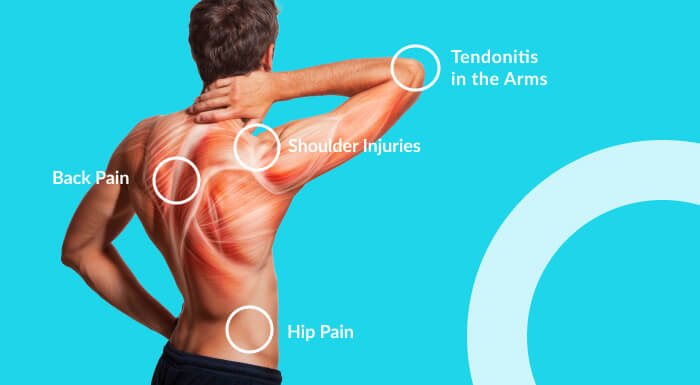
Those poor swings put too much pressure on certain muscles or ligaments, which will cause sprains and strains, eventually resulting in inflammation in the joints, muscles and connective tissue throughout your body. Studies have shown the most common golf injuries are around the back, shoulder and arms.
Back Pain
The repetitive twisting motion of swinging your clubs can put stress on your spine, often leading to common lower back injuries, mainly:
- Herniated disk — the tearing or bulging of a disk, which is the soft cushion of tissue between your spine’s vertebrae
- Back sprain — tearing or strain of a ligament or back muscle
Shoulder Injuries
Poor form can cause overcompensation in your shoulders, which are very susceptible to injury, muscle imbalance and mobility restriction. Common shoulder injuries include:
- Rotator cuff tendonitis — pain caused by the inflammation or rubbing of the tendons in your shoulder
- Bursitis — the inflammation and swelling of the bursa, which cushions your shoulder joint
Tendonitis in the Arms
Overuse or improper use of your wrists and fingers will cause repeated stress to the muscles and tendons in your arms, which will result in tendonitis to either the inner or outer area of your elbow:
- Golfer’s elbow — is pain, tenderness, weakness or stiffness in the inner part of your elbow
- Tennis elbow — is pain, tenderness, weakness or stiffness in the outer part of your elbow
Other Types of Pain
Lack of flexibility can not only result in lower back pain, but also hip injuries, including pinching and tearing of the cartilage that holds the hip joint together. Your swing can also strain the feet, ankles and heels, resulting in conditions such as plantar fasciitis.
Benefits of Massage for Golfers
Massage has many proven benefits, and several of those benefits can help to treat conditions like golfer’s elbow. You may not have access to the PGA Tour’s mobile massage Player Performance Center, but here’s how you can benefit from your own high-performance massage chairs and devices that will provide you with regular massage therapy.
- Faster recovery from exertion and injury
After a round of golf or a tough practice session, your muscles need time to heal and rebuild. Massage improves circulation, helping bring oxygen and nutrients to tired muscles while clearing out lactic acid. This speeds recovery, so you can bounce back faster and spend more time enjoying the game. - Improved flexibility and range of motion
Golf requires fluid movement in your shoulders, hips and spine. Massage helps keep joints loose and muscles pliable, supporting a greater range of motion. This flexibility can improve your swing mechanics, reduce stiffness and help you maintain consistency from tee to green. - More relaxation and stress relief
Golf is as much a mental game as a physical one. Massage encourages relaxation, lowers stress and helps quiet the mind. Taking time to unwind not only feels good but also prepares you to step onto the course focused, calm and confident. - Reduced risk of injury
By loosening tight muscles, massage can make it easier to assume a correct and natural position when taking a swing. Having an improved and consistent posture helps protect you from common golf-related issues such as lower back pain, shoulder strains and repetitive stress injuries. Preventive care today means fewer interruptions to your game tomorrow. - Altogether, better quality of life and better performance
When your body feels good, your game improves. Regular massage promotes overall well-being, allowing you to move more freely, recover more quickly and enjoy the sport without nagging aches. With less pain and a sharper focus, you’ll not only play better golf but also feel better off the course.
Interested in learning more about how the benefits of massage therapy can help you? Download and read our guide on Massage for Health & Pain Relief: Studies & Science You Need to Read.
Ideal Massage Chair Features for Golfers
So, what’s the best form of golf massage? You’ll want to prioritize a firm massage technique to help break up scar tissue and work out knots in your muscles. You should look for options that offer therapy for targeted areas of your body, in addition to features such as heat and zero gravity recline that can aid in relaxation. Here are our recommended ideal golf massage features:
- Deep tissue massage
You’ll want a massage chair that offers deep tissue massage. Golf Digest fitness advisor Craig Knight recommends deep-tissue massage to help increase blood flow and reduce rigidity in muscles and tendons. Just be sure to enjoy your deep tissue massage at least 48 hours before your next tee time, otherwise your muscles might have lingering soreness that could affect your play.
- Heat therapy
Heat, especially in the lower back or lumbar region, can help relax tight muscles, soothe irritated nerves and improve blood flow. Regular use of heat can ease pain and promote deeper relaxation, and a quick session in your massage chair at the end of the day can make it easier to sleep and function throughout the next day. - Zero gravity recline
Zero gravity recline is a feature designed to elevate your legs and align your body in a neutral posture, reducing strain on your spine and joints. This can help take pressure off your body, so you can relax and enjoy a more even, effective massage. - Arm massage
If you want to treat a golfer’s elbow, your arms and wrists will need some attention to help relax the affected muscles and tendons. Higher-end massage chairs offer airbag compression therapy for the hands and arms, helping to reduce swelling and inflammation that can cause flare ups of golfer’s elbow.
- Foot rollers
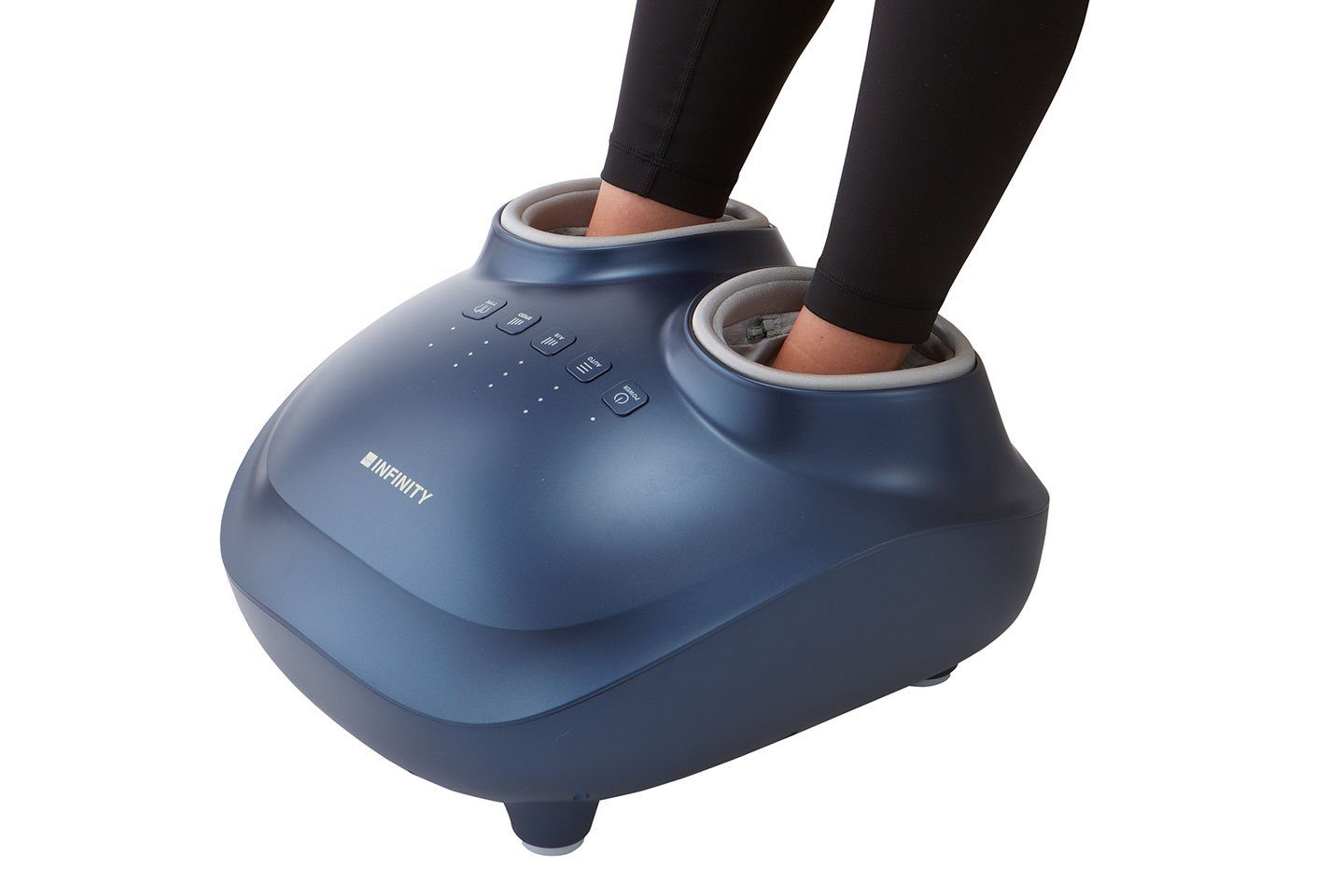
Foot rollers stimulate nerve endings and promote better blood flow. They offer the targeted, high pressure essential for stretching muscles and tissue such as the plantar fascia. Look for massage chairs with multi-speed settings to control the pressure based on your comfort level. - Calf compression
Air compression sleeves can also be used to gently squeeze and release the calf muscles, which can help boost circulation in the lower legs and may reduce inflammation and fluid buildup. This can help relieve tension in the calves, which can help with your stance and swing. - Bluetooth sound and chromatherapy
A lot of the golf game is mental, so if you’re looking for ways to help clear and focus your mind, look for features that can aid in relaxation during a massage. Chromatherapy creates a relaxing ambience using colored lights, while Bluetooth speakers allow you to connect your personal digital device and play songs or sounds to help you relax.
Top Massage Chairs Recommended for Golfers
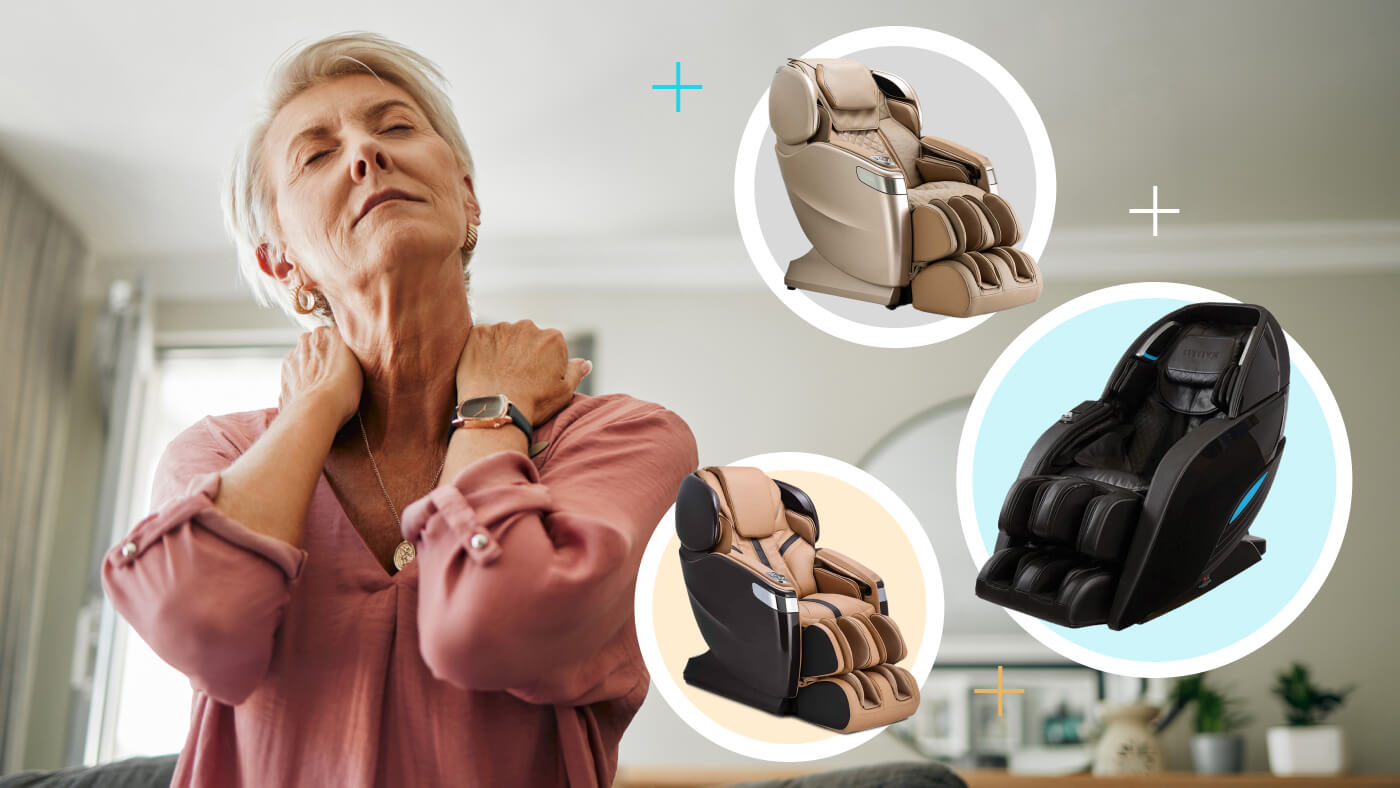
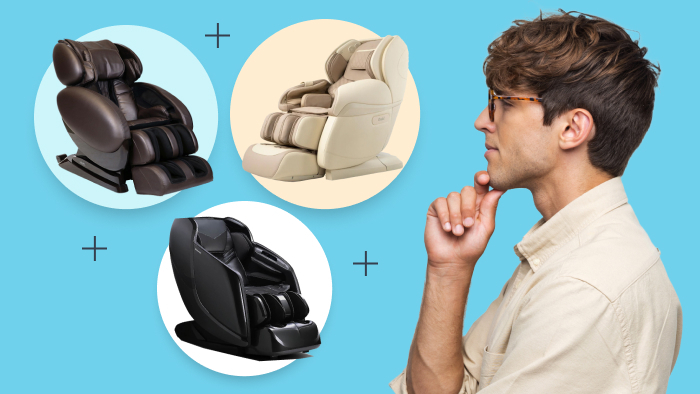
Not every massage chair has the same features or functions, and some models are able to target different areas of the body more effectively than others. While there are many different massage chairs that offer features for a premier golf massage, the testers at the Massage Chair Store highly recommend the following three massage chairs.
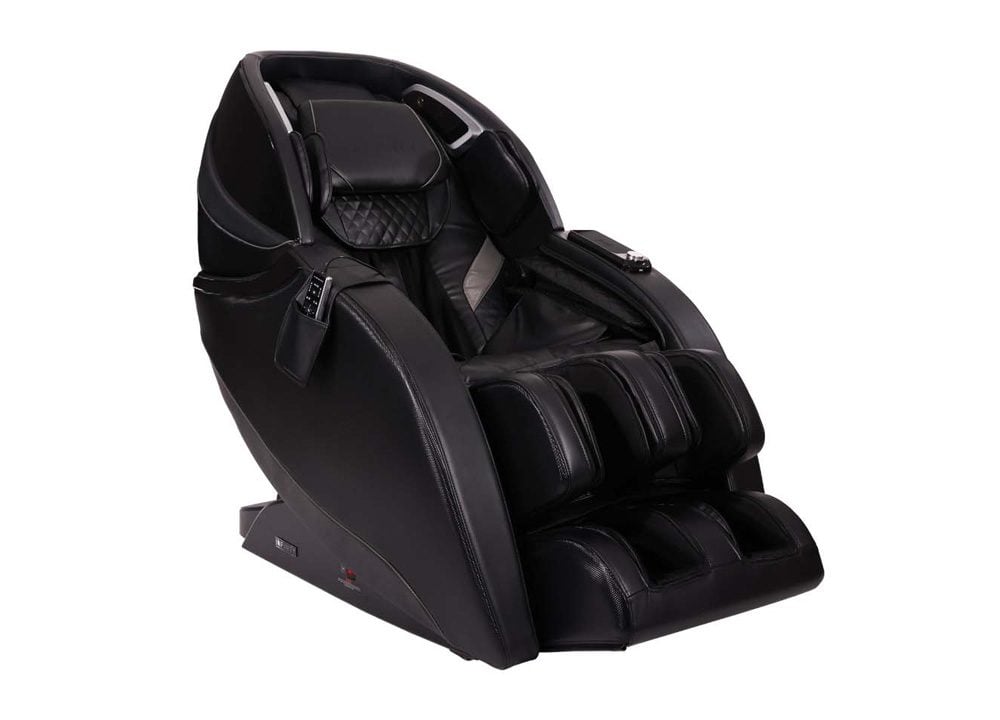
Kyota Genki M380
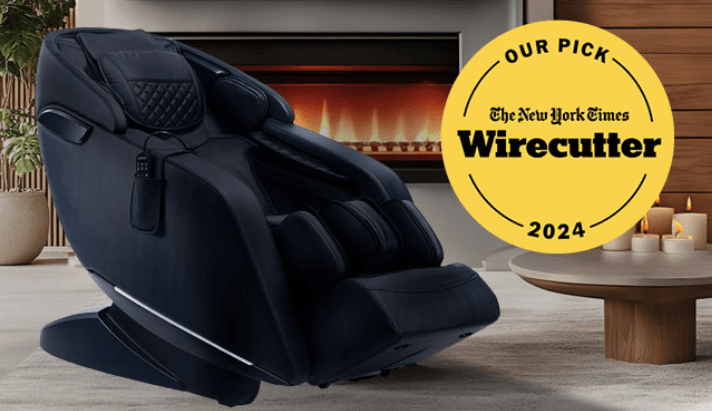 |
The Kyota Genki M380 provides the features of a high-end massage chair — but at half the price point — by using an L-Track 2D roller system. Selected as a top massage chair pick for 2024 by The New York Times Wirecutter, the M380 offers a kneading and oscillating calf feature usually found only on chairs twice its price.
Listed Retail Price: $7,999 |
Colors:
|
Key Massage Features for Golfers:
|
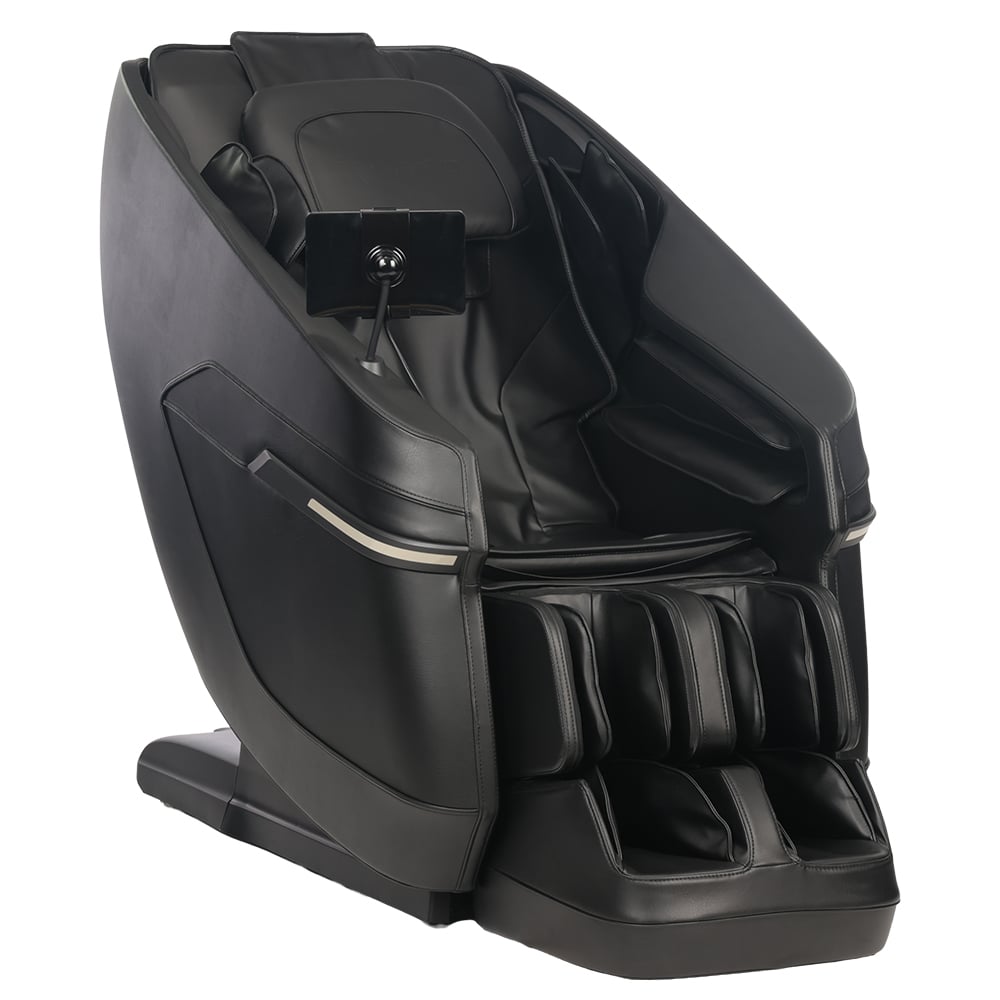
Kyota Kiyomi M698 4D
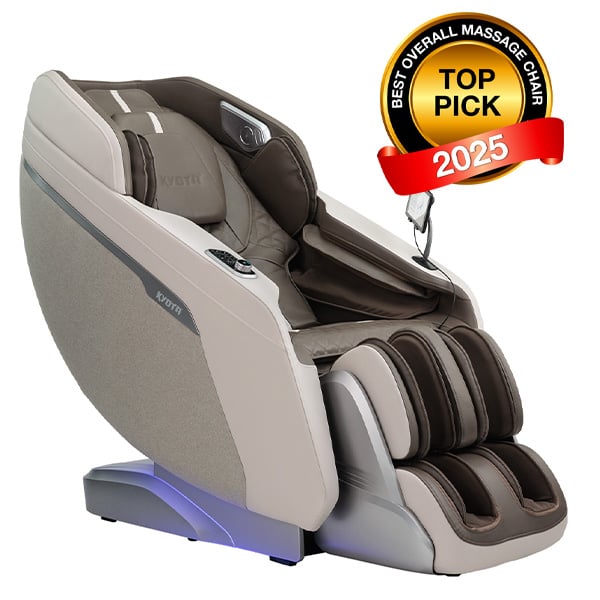 |
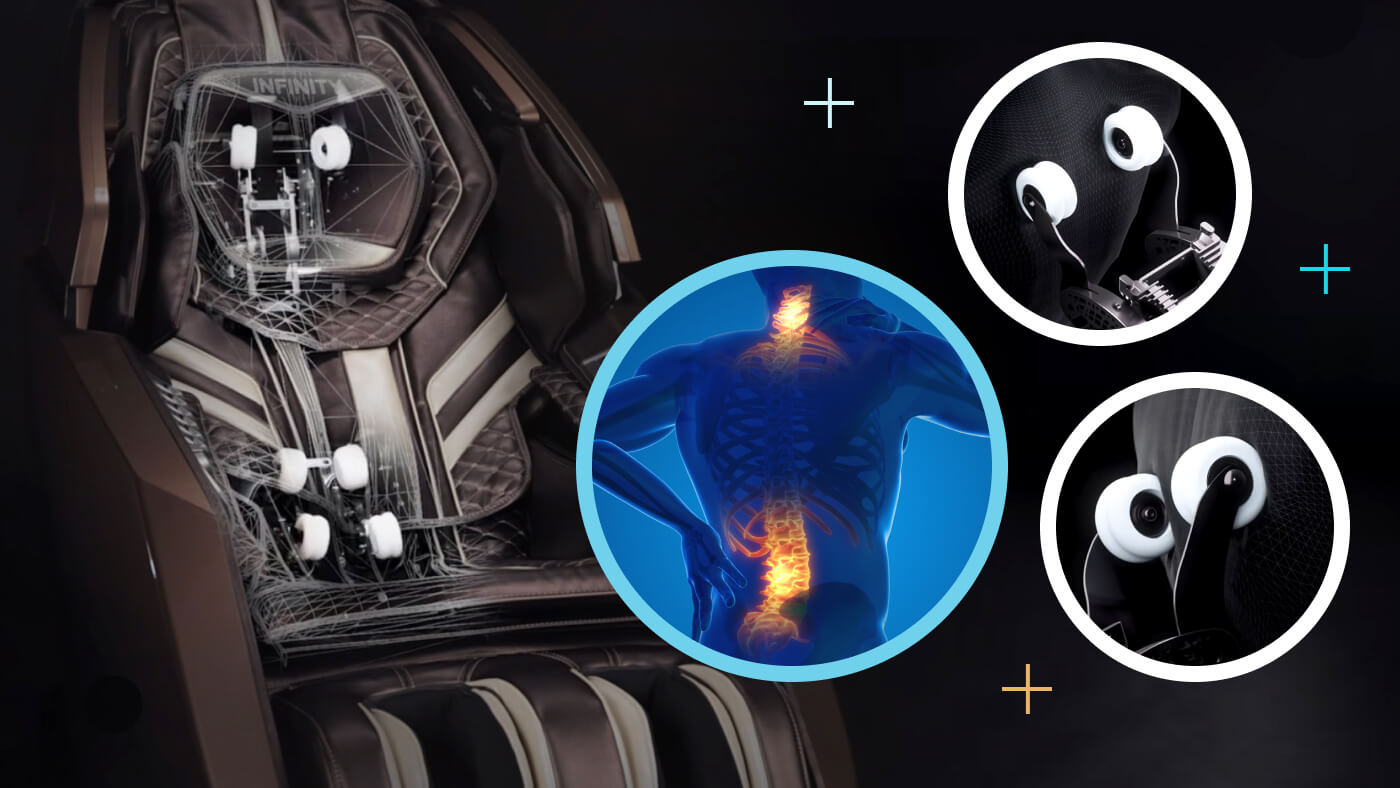
Named Good Housekeeping’s “#1 Overall Massage Chair of 2025,” the Kyota Kiyomi M698 features an advanced 4D back mechanism that mimics expert deep-tissue techniques for unparalleled relief. Zero gravity recline, lumbar and foot heat therapy and dual foot reflexology ensure that your lower back gets the attention and relief it deserves after a long day on the greens.
Listed Retail Price: $8,999 |
Color Options:
|
Key Massage Features for Golfers
|
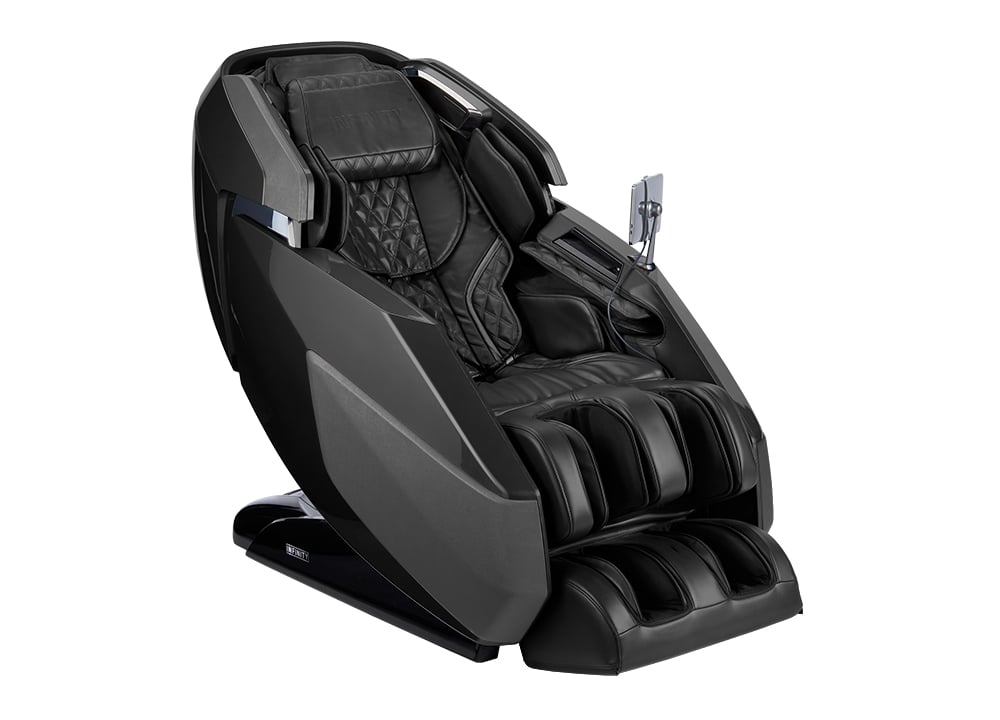
Kyota Yutaka M898 4D
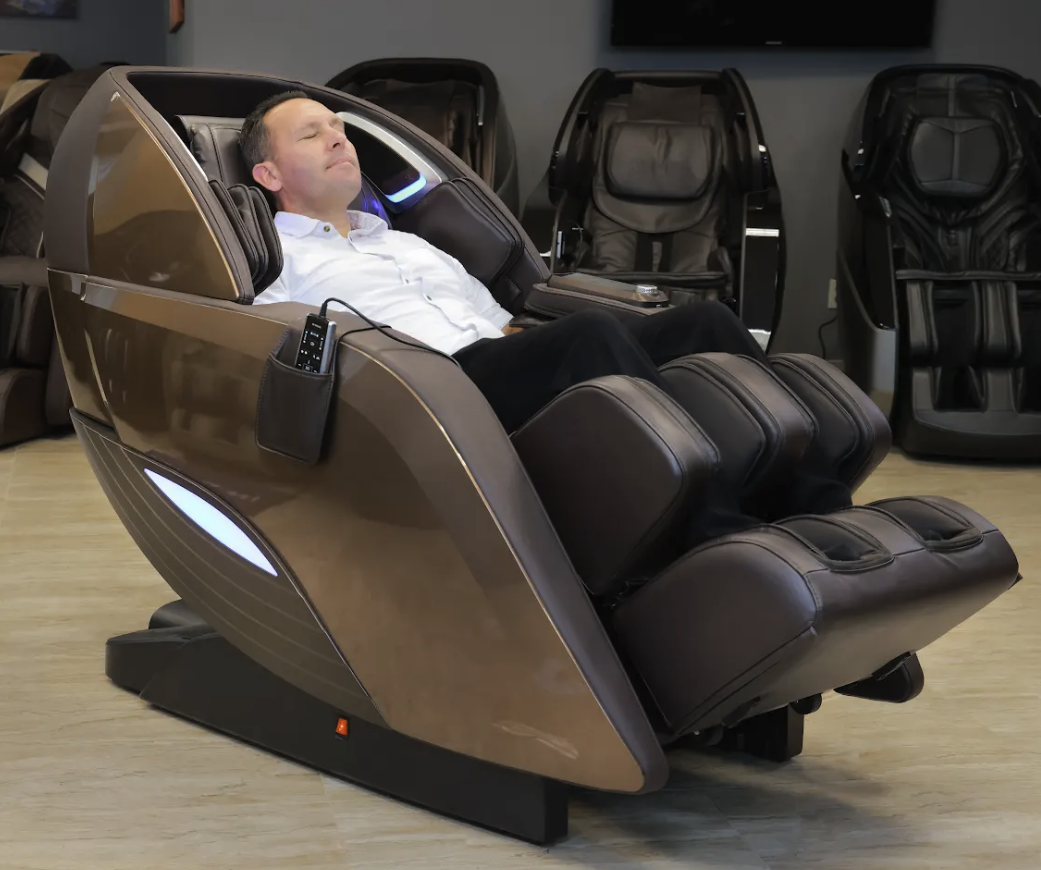 |
Kyota’s products are informed by centuries-old massage techniques, updated and conveniently translated for modern life. The Yutaka’s Triple Roller Total Sole Reflexology Foot Massage feature offers relief after walking a full 18 holes and the Intelligent Back and Foot Scanning provides the targeted massage relief you need to relax and de-stress muscle groups.
Listed Retail Price: $12,999 |
Color Options:
|
Key Massage Features for Golfers
|
Tips for Integrating a Massage Chair Into Your Recovery
If you want to maximize the benefits of massage, just like learning the game of golf, consistency is key. A massage chair can be a powerful tool in your golf recovery plan, if you know how to make the most of it:
- Post-round recovery (15–20 minutes)
After 18 holes or a long practice session, sit in your massage chair to target sore muscles in the back, shoulders and legs. A deep-tissue setting will help flush out lactic acid, reduce stiffness and speed muscle recovery. - Pre-game warm-up (5–10 minutes)
Use a gentle or stretching program before heading to the course. It loosens tight muscles, improves circulation and prepares your joints for a fluid, injury-free swing. Remember, you’ll want a light massage technique to make sure you’re loosened up, not sore. - Focus on golf-specific muscle groups
Choose chair settings that target the areas most taxed by the golf swing, including your lower back, hips, shoulders and forearms. Regular attention here can improve flexibility and prevent overuse injuries. - Make it a consistent habit
Like practice, the benefits come from consistency. Aim for short, regular sessions 3–5 times per week rather than occasional long sessions. This keeps muscles loose and ready for your next tee time.
Frequently Asked Questions
Can massage chairs improve golf performance?
Yes. Massage chairs help golfers recover faster, improve flexibility and reduce tension in key muscle groups like the back, hips and shoulders. With looser joints and less soreness, you can swing more freely, lower your risk of injury and stay focused on your game for better performance.
How often should golfers use a massage chair?
If you golf regularly, then you should be using your massage chair at least a few times a week. Short, regular sessions are more effective than long, occasional ones. Use stronger pressure after a session to work your muscles and tendons, and lighter settings before a game to help loosen up. Remember to adjust the pressure to your comfort level.
Are there any risks to using a massage chair for a golfer’s elbow?
Overuse or high pressure can worsen your symptoms. You should also wait to massage the area if you’re experiencing an acute flare-up. Always start with a firm, yet gentle level of pressure and stop if pain increases.
Can massage guns provide massage for golfer’s elbow?
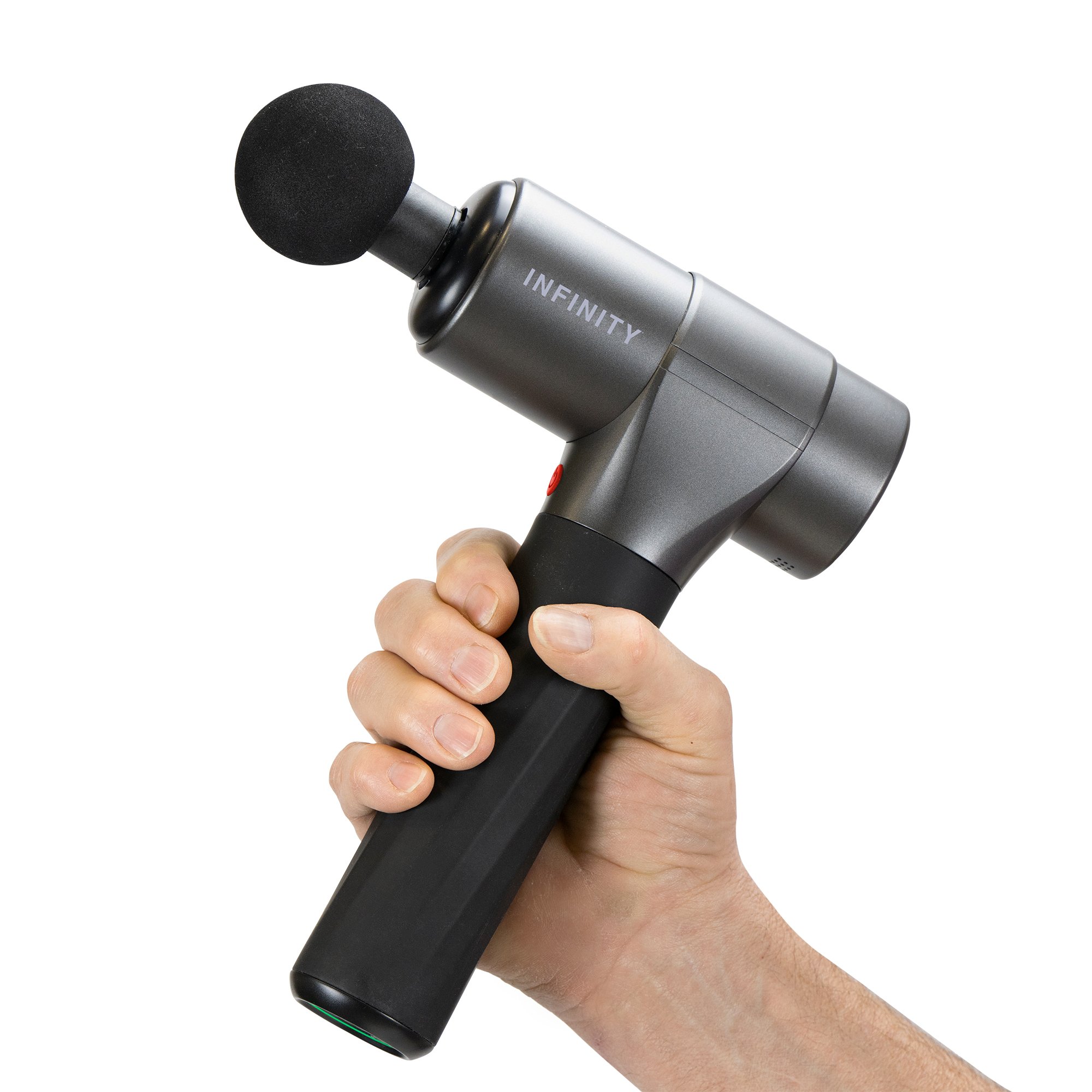
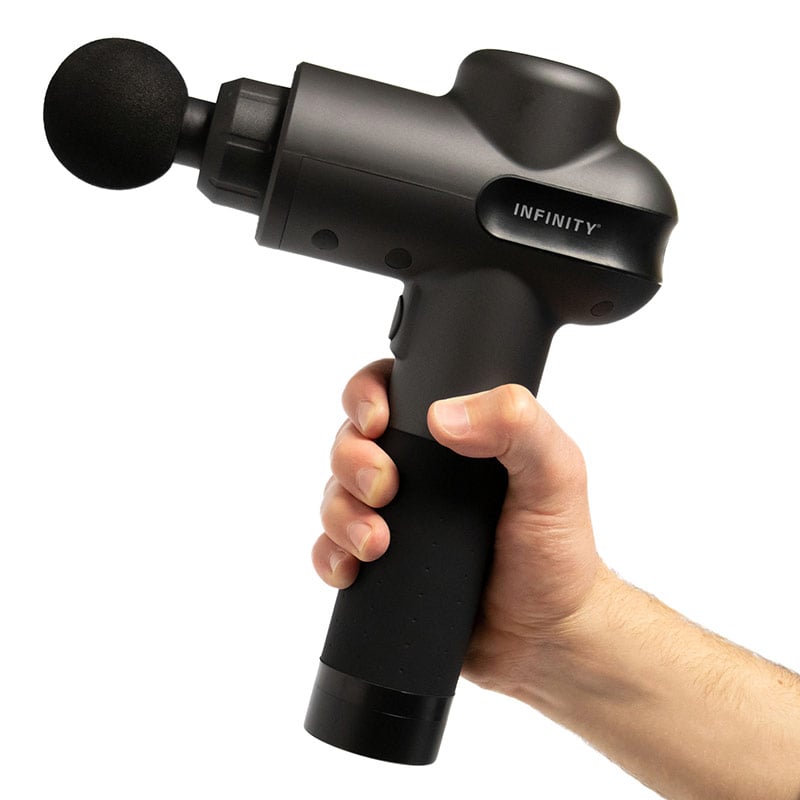
If you want more targeted pressure just to address a golfer’s elbow, then massage guns can be effective in helping to relieve tension and improve blood flow in the forearm muscles. However, they should be used gently and around — not directly on — the affected area. Consistent, careful use can support recovery, but they’re best combined with rest and stretching.
If you suffer from chronic muscle or tissue pain, you may be eligible to use your Health Savings Account or Flexible Spending Account to purchase a massage chair. Learn how you can request a Letter of Medical Necessity to qualify for approval in using your HSA or FSA funds.
Our Massage Chair Expertise
At Massage Chair Store, we’ve been in the business of manufacturing, repairing, selling and testing massage chairs for almost 15 years. Our team of trained massage chair specialists not only knows the ins and outs of every chair we sell, but they’ve spent hundreds of hours sitting in and using different massage chairs to test their functionality, features and overall comfort.
Our team of testers includes a range of body types and sizes. We always ensure that our ratings are based on a balanced consideration of features and budgets to provide our customers with maximum value, no matter their price point.
Our expertise is one of the reasons we’re ranked #1 in customer service, with thousands of verified five-star reviews that satisfied massage chair owners have left us on Trustpilot.
The information in this blog post is for informational purposes only and is not intended to replace medical or professional advice.