How Long Should Massage Chairs Last? Maintenance Tips to Extend Lifespan
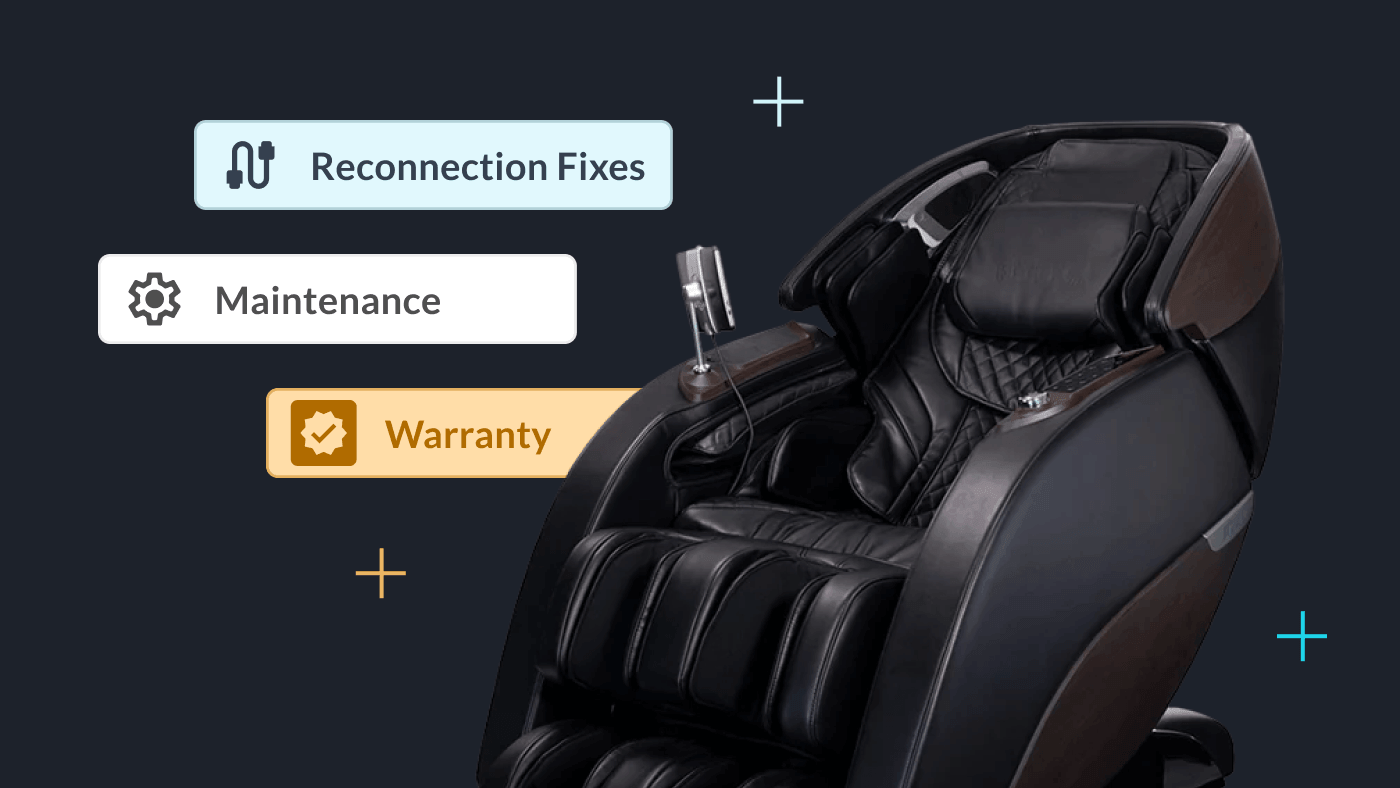
A quality massage chair is an investment in your daily wellness, so it’s fair to ask how many years of relief you can expect from your purchase. The answer is encouraging: a well-made massage chair that’s properly cared for can last well over a decade, sometimes up to twenty years. Ultimately, the model you choose and the habits you establish around its upkeep will make the most difference.
In this guide, we’ll walk through the average massage chair lifespan, factors that contribute to longevity, maintenance tips you can use to extend it and troubleshooting steps that can resolve some of the most common issues. We’ll also help you decide when a repair makes sense and when it might be time to start thinking about an upgrade.
Key Takeaways
- A well-made massage chair can last 10–20 years, or sometimes even longer, while budget models may wear out in as few as 3–7 years.
- Routine maintenance can significantly extend a massage chair’s lifespan, and includes practices such as avoiding direct sunlight and adhering to weight and time limits.
- Most problems trace back to simple causes, so a reset or reconnection fixes many issues without needing to call a technician.
- A strong warranty makes a quality chair worth keeping, tilting the scales toward fixing over replacing.
How Long Do Massage Chairs Last?
While most well-made, properly maintained massage chairs stay in working order for 10–20 years, there are exceptions. For example, budget models may wear out sooner (often within the three-to-seven-year range) and premium models frequently reach or even exceed the upper limit of their lifespan. At the same time, it’s entirely possible for a lower-end massage chair to outlast its expected lifespan when it’s well maintained and a high-end model to wear out ahead of schedule when it’s not.
In other words, there’s no single number of years a massage chair will last; its lifespan is largely determined by how it’s built, how frequently you use it and how well you care for it.
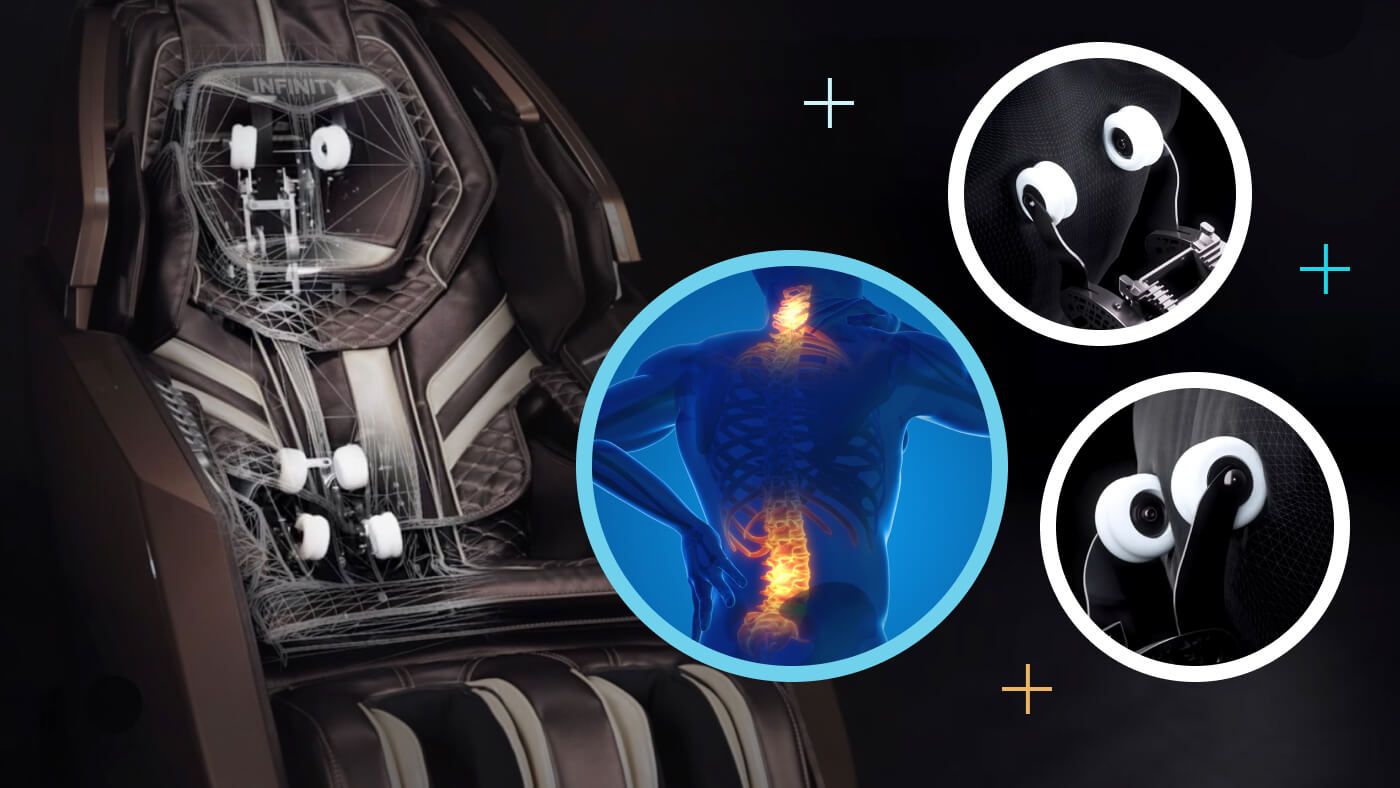
To arrive at a ballpark figure, it helps to think in terms of your massage chair’s individual components, since they age at different rates. Motors and massage mechanisms typically last 8–12 years, electronic components 5–10 years, airbags and rollers 7–10 years and upholstery 5–7 years depending on use. A quality massage chair is designed so these parts hold up longer and stay serviceable for as long as possible, which is part of the reason why higher-end models tend to outlive bargain options.
Factors That Affect Massage Chair Longevity
Where your massage chair falls within that 3-to-20-year span depends on the combination of several variables. Understanding what these are can help you find the right model and get the most out of your investment.
Build Quality and Frame
The frame is the backbone of a massage chair. A heavy-duty welded steel frame can tolerate years of daily use as well as heavier users, while frames made from lighter, lower-cost materials are prone to loosening and flexing over time. Frame material and quality is one of the primary reasons premium massage chair models are more likely to last longer.
Motor Quality
When it comes to operation, massage chair motors do most of the heavy lifting, and their quality varies widely. Economy massage chair motors are typically rated for 150–300 hours of operation, while higher-end motors can be rated for up to 10,000 hours of use. That difference is enormous over the life of a massage chair, and it’s how certain models keep performing after many others have quit.
Frequency and Intensity of Use
A massage chair used for a gentle session a few times per week can be expected to outlast one that’s called upon to run long, high-intensity massages every day. When selecting your massage chair, consider the workload you plan to give it. If you’ll likely be a frequent user who puts the massage chair through its paces, then you may want to consider sturdier models to prevent premature burnout. Less frequent or more casual users can generally get maximum longevity from a wider range of models.
User Weight and Weight Limits
Every massage chair has a recommended weight capacity, and staying within it protects the frame, motors and mechanisms from extra strain. Models that use quality materials tend to be sturdier by nature and can more easily accommodate higher weight limits.
Upholstery Material
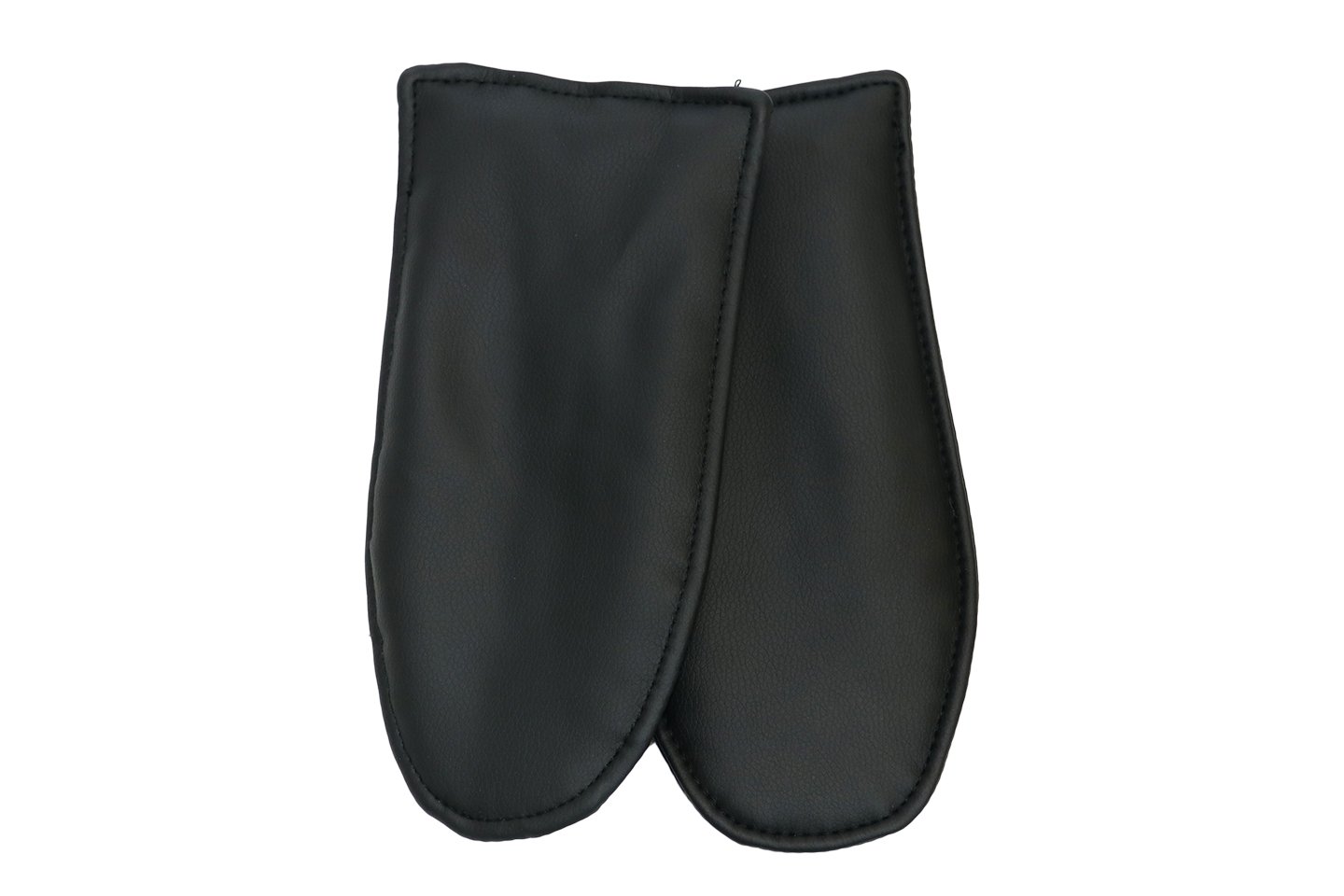
Upholstery is usually one of the first parts of a massage chair to show its age. Premium synthetic leather is more resistant to stains, cracking and fading than lower-grade options. But no matter what material your massage chair is upholstered in, using a chair covering can help keep it intact for longer periods of time.
Environment and Maintenance
Where you place your massage chair in your home and how you care for it round out the picture. Direct sunlight, excess moisture and proximity to pets can all shorten a massage chair’s life, while regular cleaning and simple upkeep can help extend it.
Massage Chair Maintenance Tips
One of the most reliable ways to add years to your massage chair is through routine maintenance. Here are a few simple habits that go a long way toward keeping yours in working order for as long as possible:
- Keep it out of direct sunlight. Position your massage chair away from windows to keep the upholstery from fading or cracking and the internal components cooler.
- Wipe it down after use. A soft, slightly damp cloth and a mild, neutral cleaner keep the upholstery fresh between uses and users.
- Keep the track and crevices clear. Remove any debris, coins or small objects that fall into your massage chair during use. These objects could potentially make their way into the roller track and cause jams or lead to damage.
- Respect weight and time limits. Staying within the recommended weight capacity and giving your massage chair a chance to rest between long sessions reduces strain on its motors. Many models include an automatic shut-off timer for exactly this reason.
- Use a surge protector. Plugging your massage chair into a surge protector shields its electronic components from unexpected power spikes.
- Protect the power cord. Positioning your massage chair so the cord remains relaxed, rather than stretched taut or repeatedly unplugged, preserves the connection over time.
- Keep it in a stable environment. A room with moderate temperature and humidity, away from moisture sources, helps every component last longer.
Common Reasons Why a Massage Chair Stops Working
Even when kept in ideal conditions, your massage chair may still occasionally act up. The good news is that most issues trace back to a handful of minor causes, including:
- Power and connection issues, such as a tripped outlet, a switched-off power button or a loose cord are common reasons why a massage chair seems unresponsive.
- Remote or control problems, often as simple as dead batteries or a loose cable at the armrest, can make a working massage chair appear broken.
- Airbag concerns, usually caused by a kinked or disconnected air hose, lead to weak or missing compression.
- Roller or mechanism obstructions, such as bunched upholstery or debris in the track, can prevent the rollers from gliding smoothly during operation.
- Motor wear or overheating may trigger an automatic shut-off mid-session, and is most common in heavily used units or lower-quality models.
Budget-tier models tend to encounter these problems sooner and more frequently, since their components generally wear more quickly and replacement parts can be more difficult to source. A quality model not only fails less frequently, it’s also easier to get back up and running.
Massage Chair Troubleshooting Steps
If your massage chair isn’t working properly, a few simple checks can save you the time and money that come with placing a service call. If you suspect internal components are the culprit, always switch your massage chair off and unplug it before inspecting anything. It’s also wise to consult the owner’s manual for any model-specific guidance.
For Power Issues
If your massage chair won’t turn on, confirm that it’s completely plugged into an outlet, and check that the outlet works by testing it with another device. Check that the power switch, often on the side or base of the massage chair, is on, and inspect the cord and surge protector (if you use one) for damage. If everything looks ok, unplug the massage chair for at least five minutes and plug it back in to reset it.
For Remote Issues
If your massage chair powers on but the remote won’t respond, start with the batteries if your remote uses them. Next, check that the remote cable is firmly seated at the armrest connection, especially if you’ve recently moved your massage chair, since movement can loosen them. Then power cycle the massage chair by unplugging it for 30–60 seconds. If all else fails, a replacement remote is a low-cost fix.
For Airbag Issues
If the airbags feel weak or won’t inflate, start an airbag program and listen for the air pump. If you hear it running, locate and check the air hoses for kinks or loose connections and gently reseat any that have slipped off. A full-power cycle can also help. If the pump is silent or the problem persists, it’s likely time to call in a technician.
For Motor Issues
If your massage chair pauses or shuts off mid-session, it may simply have reached the end of its automatic shut-off timer, which protects the motor from overheating. Let it cool down, making sure it has room to ventilate then restart. A humming sound with no movement, or any burning smell, means it’s time to stop and contact support.
For Roller Issues
If the rollers stop moving or feel stuck, check that nothing is obstructing the track and that the backrest upholstery isn’t bunched and blocking movement. Listen for the motor engaging, then try a full power cycle. If the rollers still won’t glide, the mechanism may need professional attention.
How to Maintain Your Massage Chair’s Key Components
Paying some extra attention to your massage chair is the best way to ensure it works for as long as possible. Here’s what you can do for each of its main parts:
Upholstery
Regularly wipe down your massage chair with a soft cloth and mild cleaner and address any spills promptly. Keeping the massage chair out of direct sunlight (if possible) helps preserve its color and prevents cracking. If it’s upholstered with genuine leather, an occasional conditioning treatment goes a long way toward keeping the material supple.
Tracks
Keep the roller tracks clear of debris or small objects, and smooth out any bunched fabric before starting a session. A clean, unobstructed track lets the rollers move freely and reduces strain on the motor.
Airbags
Check that air hoses stay connected and kink-free, and give the airbags room to inflate without heavy objects pressing on them. Taking time to wipe the air cells down along with the upholstery can help keep them in good shape.
Rollers
Listen for smooth, consistent movement, and clear the track of anything that could interfere. If your manufacturer recommends lubrication for the mechanism, follow their guidance. Many modern massage chairs are sealed and may not need this kind of attention.
Electrical Components
Protect your massage chair’s electronics by using a surge protector, keep cords relaxed and undamaged and make sure cable connections at the armrest and base stay snug. Keeping your massage chair in a dry, well-ventilated spot can help protect the control board and motors over time.
When to Repair Versus Replace a Massage Chair
Deciding whether to repair or replace your massage chair depends on the answer to a few telling questions. Repairing a massage chair usually makes sense when it is still under warranty, when the problem is a minor one or when the repair costs less than a new massage chair. Issues such as a remote on the fritz, a damaged power cord, dead batteries or a loose air hose are inexpensive, straightforward fixes that easily justify keeping your current massage chair.
Replacement tends to make more sense when an older massage chair that’s well outside of warranty faces a major failure in the motor, pump or control board, especially if parts are difficult to track down. In these cases, the cost of repair can come close to the price of a newer, more capable model that comes with a fresh warranty.
This is where your warranty becomes a lifesaver. A quality massage chair, backed by a strong warranty, covered parts and dependable support is almost always worth repairing, because the manufacturer or retailer helps you keep it running at little or no cost to you. Bargain models from hard-to-reach sellers often leave owners with little support, which is why a low upfront price can ultimately cost more in the long run.
Signs a Massage Chair Needs Professional Repair
Some situations call for a technician rather than DIY troubleshooting. Reach out to a professional if you notice:
- A burning smell or any sign of an electrical problem
- Grinding, scraping or loud mechanical noises
- A motor that hums but doesn’t produce movement
- Airbags or rollers that stay unresponsive after a reset and/or reconnection
- Repeated error codes or faults that return after troubleshooting
When any of these appear, switch off and unplug the massage chair and contact your retailer or manufacturer.
Choose a Massage Chair That’s Built to Last
The longest-lasting massage chairs all share the same foundation: quality construction, dependable components and a company that stands behind them. At Massage Chair Store, every model we carry comes from a top-rated manufacturer and is backed by an industry-leading return policy and a risk-free 100-day home trial, so you can be confident in your choice.
When you choose us for your massage chair purchase, you can rest assured that the model you bring home is capable of going the distance, and supported that way too. Infinity massage chairs, for example, include a five-year structural frame warranty, three years of no-cost covered parts and USA-based customer and technical support, with warranty upgrades available for greater peace of mind. If you prefer flagship technology at a friendlier price, our certified pre-owned massage chairs are inspected, restored and include the same warranty as new models.
When you’re ready to find a massage chair that’s built to last, we’re here to help:
- Browse our full selection of massage chairs and compare models side by side.
- Take our quick massage chair quiz and we’ll email you a personalized list of your top matches.
- Call our massage chair specialists at 866-210-9332
- Or stop by our showroom in Seabrook, NH to try massage chairs in person
Frequently Asked Questions
How often should a massage chair be serviced?
A massage chair doesn’t need frequent professional servicing, but a light maintenance routine every few months keeps it running smoothly. Wipe the upholstery, clear debris from the track and check that cables and hoses are secure on a regular basis. Beyond that, most quality models only need professional attention when a specific issue comes up that basic troubleshooting can’t resolve.
Why did my massage chair stop working?
If your massage chair worked before and stopped mid-session, it may have reached its automatic shut-off timer, which many chairs use to keep the motor from overheating. Let it rest, then restart it. If it stopped entirely, a full power cycle, meaning unplugging it for five minutes and plugging it back in, clears most temporary glitches and will likely bring the massage chair back to life.
Why isn’t my massage chair working?
A massage chair that won’t work is usually dealing with a power or connection issue rather than a major failure. Check that it’s plugged into a working outlet, confirm the power switch on the base or side is on and inspect the cord and any surge protector you’re using. If the massage chair still won’t respond, unplugging it for five minutes to reset often restores normal operation.